
Gardening has a way of teaching patience in ways few other hobbies can. A seed goes into the soil with no guarantees, and weeks later, if the conditions were right, something green pushes through. That slow, quiet payoff is part of why so many people find themselves hooked once they start, even if the first season involves more trial and error than triumph.
The truth is, a thriving garden rarely comes down to one big decision. It’s built from dozens of small habits repeated consistently: checking soil moisture before watering instead of guessing, pulling weeds while they’re still small and manageable, rotating crops so the same nutrients aren’t depleted year after year. None of these things are glamorous, but together they add up to healthier plants and a yard that actually feels cared for rather than merely maintained.
Reading the Soil Before Reading a Seed Packet
One of the biggest mistakes new gardeners make is jumping straight to planting without understanding what’s actually happening beneath the surface. Soil composition varies wildly from yard to yard, and even from one corner of a garden bed to another. Sandy soil drains fast but struggles to hold nutrients. Clay-heavy soil retains water almost too well, leading to root rot if drainage isn’t addressed. A simple soil test, whether from a home kit or a local extension office, can save an entire season of frustration by revealing pH levels and nutrient deficiencies before a single seed goes in the ground.
Once the soil’s personality is understood, amending it becomes far more strategic. Compost remains one of the most reliable fixes for almost any soil issue, improving structure, feeding microbial life, and slowly releasing nutrients over time. Mulching afterward locks in moisture and suppresses weeds, cutting down on maintenance later in the season.
Timing Is Everything
Plants don’t care about a calendar date so much as they care about actual conditions: soil temperature, day length, and the risk of a late frost. Planting too early often means replacing seedlings that couldn’t survive an unexpected cold snap, while planting too late can shorten the growing window for crops that need a full season to mature. Regional planting charts, while a helpful starting point, should always be adjusted based on real-time weather patterns rather than treated as gospel.
Succession planting is another underused strategy that keeps a garden productive for longer. Instead of sowing an entire row of lettuce at once, staggering plantings every couple of weeks means a steady harvest instead of a single overwhelming glut followed by empty beds.
Watering Wisely, Not Just Often
Watering seems like the simplest part of gardening, yet it’s where a lot of well-intentioned effort goes sideways. Shallow, frequent watering trains roots to stay near the surface, making plants more vulnerable during dry spells. Deep, less frequent watering encourages roots to grow downward in search of moisture, resulting in hardier, more drought-resistant plants overall. Morning watering tends to be ideal, giving foliage time to dry before evening and reducing the risk of fungal issues that thrive in damp, cool conditions overnight.
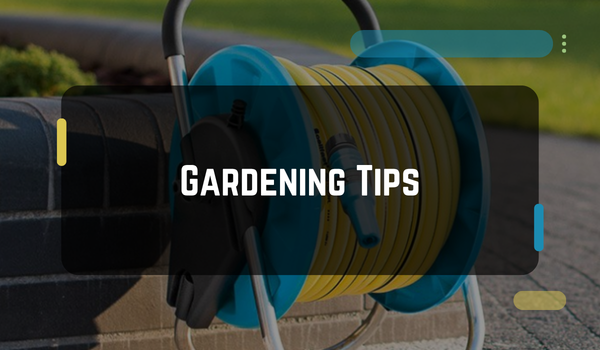
Efficient watering also comes down to the tools being used, and the hose itself is often the biggest culprit behind wasted time and effort. There are several factors to consider in order to choose the best portable hose reel suited to your garden, from yard size and hose length to how much storage space is actually available, and getting this right can make daily watering far less of a hassle.
Companion Planting and Natural Pest Control
Rather than reaching for chemical solutions at the first sign of pests, many experienced gardeners rely on companion planting to keep problems in check naturally. Marigolds planted near tomatoes can deter certain nematodes and aphids. Basil grown alongside peppers is said to improve flavor while repelling unwanted insects. These pairings aren’t foolproof, but they add a layer of natural defense while also making garden beds more visually interesting, mixing textures, colors, and heights in ways a single-crop bed never could.
Encouraging beneficial insects matters just as much. Ladybugs, lacewings, and certain wasps prey on common garden pests, and a few well-placed flowering plants can attract them naturally. A garden that supports this kind of biodiversity tends to need far less intervention overall.
The Long Game of Garden Maintenance
Perhaps the most underrated skill in gardening is simply showing up consistently. A few minutes spent walking through the yard each day, checking for pests, wilting, or signs of stress, catches small problems before they become big ones. This kind of routine attention matters more than any single fertilizer or gadget.
Of course, having the right tools on hand makes that routine far easier to stick to. A tangled, hard-to-manage hose is exactly the kind of small annoyance that discourages regular watering and yard upkeep. For anyone currently looking for the best hose reels, a bit of upfront research can make daily maintenance feel far less like a chore.
At the end of the day, gardening rewards patience and consistency more than perfection. The yards that thrive year after year usually belong to people who paid attention to the small things, adjusted based on what the plants were telling them, and kept the process simple enough to actually enjoy.